
Healthcare App Development: Types, Features, and Cost
 By Kok Weng•Published at 13 May, 2024•Updated 18 May, 2024
With over 8 billion mobile telephone subscriptions worldwide— most of which are in low- and middle-income countries— mobile technologies have become an essential resource for public health service delivery.
Particularly, the surge in mobile health (m-Health) product proliferation globally is being led by web and mobile apps, which are disrupting the way healthcare is delivered and accessed.
In this detailed piece, we aim to discuss healthcare app development at length, unpacking how it is revolutionising healthcare and the underlying features and costs of both web and mobile variations.
Overview of the healthcare market
The global healthcare app market is forecast to reach approximately $111 billion by 2026, underpinned by an incredible 44.7% annual growth rate.
Relatedly, according to Business of Apps, wellness apps generated about $950 million in revenue in 2023, with North America being responsible for $355 million of that revenue.
Allied Market Research also projects that the m-Health market will reach $370.7 billion by 2032, growing at a steady CAGR of 18% between 2023 and 2032. This projected uptick within the healthcare market is propelled by the rise in prevalence of chronic cardiac diseases, like hypertension, and stroke— which increase the demand for mHealth devices to monitor heart health.
It is also driven by the increase in the incidence of diabetes, which has led to an increased demand for mobile health applications that enable 'diabetics' to monitor their blood glucose levels.
Building on the indoor fitness craze during the COVID-19 pandemic, the fitness app market has also seen considerable growth over the last couple of years. Specifically, in 2023, fitness apps generated about $3.58 billion in revenue, a 9.1% improvement from the previous year.
What is a healthcare app?
Also known as a medical app, a healthcare app is a specialised software application expressly designed to improve health outcomes and healthcare delivery.
These apps run on smartphones, computer websites, and tablets, conveniently providing users with seamless access to health information, exercise routines, fitness plans, and health monitoring capabilities, at their fingertips.
Healthcare apps serve a wide range of functions— from tracking fitness goals and monitoring vital signs— to managing chronic conditions and delivering personalised healthcare experiences.
Healthcare apps can be both mobile and web-based, depending on the particular requirements and functionality of the app.
Please note that the terms health app and medical app are sometimes used interchangeably. However, they don’t necessarily mean the same thing. In practice, medical apps are primarily intended for clinical and medical purposes. Furthermore, they can be legally regulated as mobile medical devices.
Healthcare mobile app development
Healthcare mobile app development is the iterative process of systematically constructing applications specifically for mobile device platforms to aid users in managing their health-related concerns.
Healthcare web app development
Healthcare web app development is the iterative process of building applications specifically for web interfaces to help users manage their health-related concerns.
Types of healthcare apps
Healthcare apps are classified into disparate categories based on their purpose, for instance:
Patient management apps
Patient management healthcare apps facilitate communication between patients and healthcare providers. They typically enable patients to schedule appointments, manage medications, and track health vitals.
They also allow physicians to monitor patient health remotely. Thereby, delivering a holistic healthcare experience.
Medical reference apps
Medical reference apps serve as a comprehensive resource for healthcare professionals, students and patients. They are designed to avail access to medical literature, drug databases, and clinical guidelines.
Thereby, enabling caregivers to stay up-to-date with the latest medical research, diagnosis, and treatment methodologies.

Telemedicine apps
Telemedicine apps principally orchestrate virtual consultations between doctors and patients. They also facilitate remote diagnosis, treatment, and prescription management.
They are indispensable in providing convenient access to healthcare services for patients in remote areas.
Health monitoring apps
Health monitoring apps allow users to remotely monitor vital signs, like pulse rate, blood pressure, and oxygen levels. These apps are typically integrated with wearable devices and third-party monitoring devices to provide real-time health data to users and healthcare providers.
Fitness apps
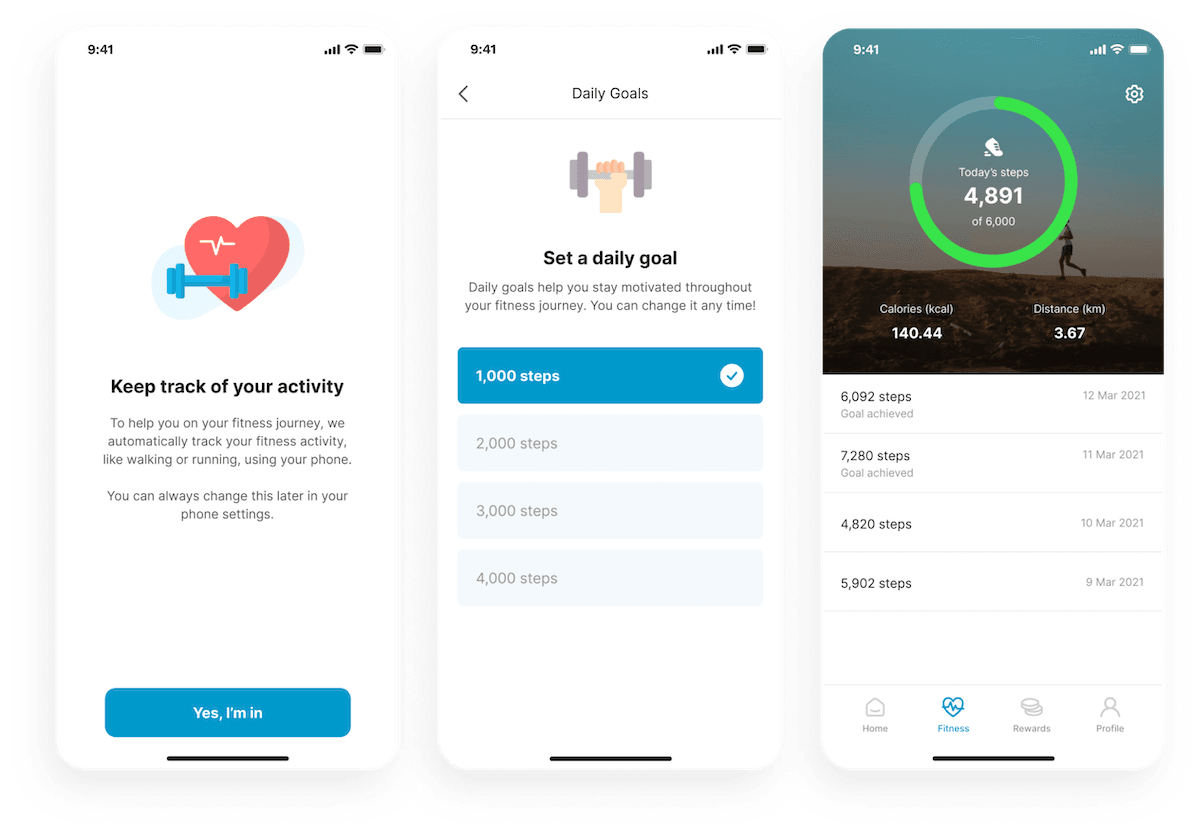
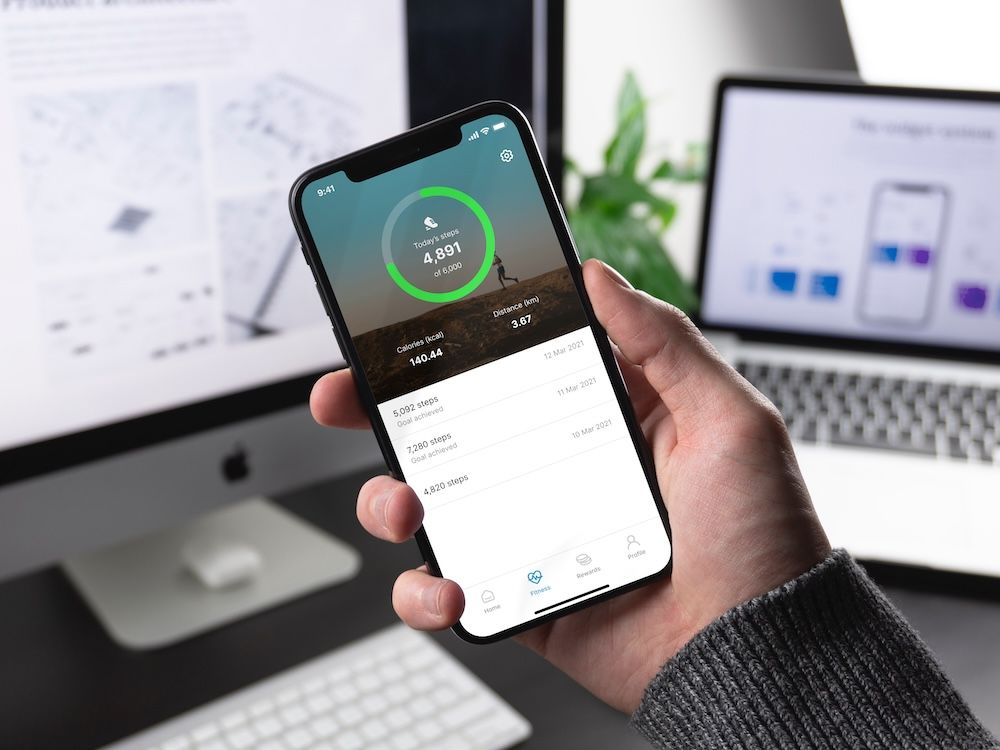
Fitness apps are designed to cater to users' physical activity needs by tracking workouts and setting fitness goals. In addition to helping users manage training plans, they are useful to improve overall fitness levels, manage stress, and maintain a healthy lifestyle.
Importance of healthcare app development
Healthcare app development plays a mission-critical role in the digital transformation of healthcare services. Healthcare app development offers benefits for patients, healthcare professionals, and health systems.
For example, it empowers patients to proactively take charge of their well-being via digital access to tailored health insights, customised nutrition plans, and exercise routines.
By the same token, healthcare app development streamlines practice management and billing to help healthcare providers manage their operations in a better and more organised way.
Benefits for healthcare professionals
Healthcare app development contributes to the broader health ecosystem of healthcare professionals in different ways:
- Maintain electronic health records: Healthcare apps enable professionals to securely retrieve and update electronic health records (EHRs) on the go. This consequently translates into comprehensive patient management.
- Teleconsultation: Healthcare apps eliminate geographical barriers and improve access to care via teleconsultations. They also reduce the need for in-person visits. This is especially beneficial for remote or immobile patients.
- Improved communication with patients: Healthcare apps facilitate seamless communication between professionals and patients. This consequently fosters patient engagement, enables proactive health management, and strengthens the patient-provider relationship. Thereby, leading to better treatment adherence and outcomes.
- Better reach: By leveraging healthcare apps, professionals can extend their reach beyond traditional healthcare settings. They also enable caregivers to engage with patients in diverse environments and underserved areas, promoting health equity.
Benefits for users
Healthcare app development also improves healthcare delivery and promotes wellness for patients in different ways, such as:
- Better Quality Patient Care: Healthcare apps allow users to proactively participate in their health journey. They do so by providing easy access to medical information, tailored treatment plans, and timely interventions. This inadvertently leads to improved health outcomes and overall well-being.
- Accessible Care: Whether seeking specialist consultations or urgent medical advice, medical apps help facilitate convenient accessibility, regardless of geographical location or time constraints.
- Improved Communication with Specialists: Patients can communicate with healthcare specialists easily through healthcare apps. This fosters a more collaborative approach to healthcare, which typically translates into improved health outcomes and patient satisfaction.
Key Features of Effective Healthcare Apps
Effective healthcare apps must typically possess the following key features:
User-Friendly Interface
Intuitive navigation and clear labelling enhance usability and facilitate engagement with a health app's features. Individuals of disparate ages, health literacy levels, and digital literacy skills require user-friendly interfaces to increase adoption and promote adherence to treatment plans and health monitoring activities.
Data Security and Compliance
Healthcare apps must prioritise data security and comply with legal regulations, like HIPAA. This includes implementing encryption, secure data storage, and authentication protocols to ensure user data remains confidential and protected.
Compliance with industry-recognised data protection standards instils trust among users whilst mitigating the risk of data breaches or unauthorised disclosures.
Integration Capabilities
Effective healthcare apps typically possess the ability to integrate seamlessly with existing healthcare systems like electronic health records (EHRs) and laboratory information systems.
Integration facilitates interoperability and data exchange between different healthcare providers and systems. Thus, fostering comprehensive patient management, care coordination, and continuity of care.
Accessibility Features
Effective healthcare apps are designed with inclusivity in mind. This includes integrating features like voice recognition, text-to-speech, and adjustable font sizes to accommodate various user needs.
This ethos ensures that all users, regardless of their abilities or limitations, can effectively navigate the app and engage with healthcare services independently and with dignity.
Push Notifications and Alerts
Effective healthcare apps typically feature timely push notifications and alerts based on user preferences and health goals. These can appreciably improve treatment and drug adherence, facilitate preventive care interventions, and encourage proactive health management. Thereby, promoting compliance, patient empowerment and continuity of care.
Compliance with healthcare regulations
Effective healthcare apps must adhere to standard regulatory frameworks that govern their territory to protect patient privacy and confidentiality. In the United States, for instance, healthcare apps must comply with HIPAA regulations governing the storage, utilisation and transmission of protected health information (PHI).
HIPAA enforces that healthcare apps must obtain user consent for data collection and sharing, and maintain audit trails for accountability and transparency.
Healthcare apps development cost
Healthcare app development costs may vary significantly depending on various factors, for example:
- Platform choice: Engineering separate apps for iOS and Android platforms typically requires more resources and time compared to cross-platform development.
- Complexity of features: Generic apps with essential functionalities, like appointment scheduling, tend to be less costly than feature-rich apps with advanced capabilities, such as telemedicine consultations and AI-driven diagnostics.
- Compliance and security features: Building security features to ensure regulatory compliance can considerably augment the complexity and cost of developing a healthcare app. Integrating secure authentication, audit trails, and access controls increases costs related to documentation and ongoing maintenance.
- Basic app development vs. advanced feature-rich apps: The level of sophistication and innovation sought in the healthcare app considerably impacts development costs. For context, basic healthcare apps with standard capabilities and minimal customisations are generally less expensive to develop than advanced AI-driven apps with wearable device integrations.
- Maintenance and update costs: The frequency and complexity of performance optimisations and updates, as well as the need for ongoing support, contribute to the total cost of ownership over the app's lifecycle.
Where to get healthcare app development services in Malaysia?
In the swiftly evolving landscape of healthcare tech, healthcare apps are fast becoming indispensable tools.
To achieve a healthcare app that effectively optimises medical processes promotes well-being, and enhances the efficiency of healthcare delivery, it is important to have a partner like Techies.
Our state-of-the-art development studio curates tailored healthcare apps that cater to a variety of functionalities. For example, tracking and monitoring vital signs, AI chatbot integration, healthcare analytics, providing medical reference guides, as well as telemedicine services.
Also read: Medical Healthcare App Case Study
Future trends in healthcare app development
Emerging technologies like Artificial Intelligence (AI) and Virtual Reality (VR) seek to disrupt and shape the future of healthcare apps.
In 2024, we expect to see an increased adoption of AI for the analysis of large volumes of medical data to assist in diagnosis, treatment planning, resource allocation and disease prediction. We also expect to see an uptick in AI-driven chatbots and virtual assistants deployed in healthcare apps to enhance patient engagement and support.
Relatedly, we expect to see VR being used in medical facilities and schools for immersive training, surgical planning, and patient education. By the same token, VR-based distraction therapy is currently being researched to alleviate pain and anxiety during medical procedures.
In the near future, we might see VR widely deployed via healthcare apps for physical and cognitive rehabilitation. In practice, patients will be able to engage in virtual exercises and activities via apps that promote movement and brain function recovery. In tandem, VR-based rehabilitation programs for stroke patients will also advance to help patients regain motor functions.
Conclusion
In conclusion, keeping abreast with advancements in healthcare technology is imperative for healthcare professionals to keep pace with the rapidly evolving healthcare landscape.
In fact, understanding new technologies allows healthcare professionals to adopt innovative approaches that may lead to better patient outcomes and experiences. It is essential for maintaining compliance with industry regulations, and best practices.
Overall, healthcare apps not only provide convenience but also empower patients. They make healthcare more accessible, convenient, and personalised, which consequently makes them an indispensable component of modern healthcare delivery.
So, consider exploring healthcare app development to ensure your healthcare practice is not left behind in the coming industry disruption.
Explore our web and mobile app development services in Malaysia at Techies, and don't hesitate to leave your contact information here.
About Author
Kok Weng
Kok Weng Kong is a tech enthusiast and problem-solving expert with a passion for technology and innovation. As the Founder & CEO of Techies App Technologies Sdn. Bhd., he specializes in building beautiful web and mobile applications and providing branding and marketing solutions for businesses. With a background in Information Technology and extensive experience in the industry, Kok Weng Kong excels in creating innovative solutions for various tech challenges.


Digitizing businesses since 2017


© 2026 Techies | All rights reserved